




























World Future Energy Summit 2026 to spotlight potential of AI in Middle East’s clean energy sector

• AI will be key enabler for countries to achieve national clean energy goals
• AI technologies help companies reduce energy consumption by as much as 60%
• Artificial Intelligence Conference to explore ways to tackle AI’s energy footprint
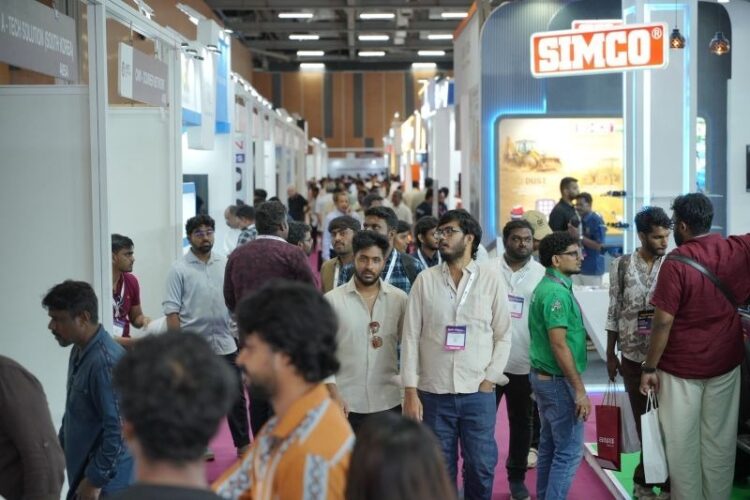
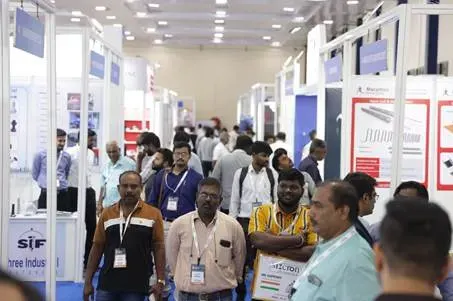
Abu Dhabi, UAE - November 27, 2026: As artificial intelligence emerges as a transformative force in the clean energy sector, the World Future Energy Summit 2026 will spotlight its vast potential to reshape energy production, transmission, and efficient, data-driven distribution. Running from January 13-15 at Abu Dhabi National Exhibition Centre (ADNEC), the three-day show is an integral part of Abu Dhabi Sustainability Week 2026.
With the theme of AI running across all seven conference tracks at this year’s show, the 2026 edition will build on that momentum, raising the bar with the launch of the FUSE AI Zone, a dedicated platform where more than 40 companies will showcase cutting-edge AI solutions to drive clean energy, smart infrastructure, and climate resilience. The event will also incorporate the inaugural Artificial Intelligence Conference, a forum exploring how AI can be responsibly harnessed to accelerate progress across the energy, infrastructure, and smart cities sectors.
Gathering thought leaders, innovators, and policy influencers, the Summit will laser in on AI’s predictive power and its ability to optimise the management of clean energy flows, providing a vital technical boost to help low-carbon systems scale effectively.
Using AI to Accelerate Technical Breakthroughs
In the Middle East and North Africa (MENA), AI adoption is accelerating across multiple areas, from grid and demand-response management to sector coupling and system maintenance. Advances in forecasting and energy storage are also enhancing performance, enabling companies to deliver renewable energy with greater efficiency and reliability. Yet important questions remain about how best to unlock AI’s full potential to power the sustainable energy systems of the future.
For example, can AI make up for shortcomings in energy policy that hold back the transition to carbon-free energy? Can it accelerate innovation to enable researchers and entrepreneurs to more rapidly test and prove technologies that make a direct impact on decarbonisation? These pressing issues, plus the potential of AI to advance the exploration of mineralisation for carbon capture, will be addressed by leading experts at January’s World Future Energy Summit, now globally recognised as the world’s premier business event focused on future energy and sustainability.
The UAE's clean energy goals, driven by its Net Zero by 2050 Strategic Initiative, involve increasing clean energy to 50 per cent of the total energy mix by 2050, reducing carbon emissions by 70 per cent, and tripling renewable energy capacity by 2030. AI will be a key enabler for achieving these clean energy targets across the region.
The World Future Energy Summit and Abu Dhabi Sustainability Week’s Advisory Committee’s 2025 AI and Technology Insights Report supports this, stating that AI can significantly enhance the efficiency and reliability of clean energy and infrastructure networks both regionally and globally.
According to the report, smart grid algorithms can accurately predict and then balance electricity supply and demand in real time, integrate renewables, and reduce the need for constructing new power plants. Investment in digital infrastructure and skills is key, however, so that utilities can harness data for grid optimisation and predictive maintenance.
Driving Energy Efficiency in Homes and Businesses
The 2026 edition will also highlight the growing role of AI in enhancing energy efficiency within buildings. According to the World Economic Forum, AI technologies are already helping companies reduce energy consumption by up to 60 per cent in some cases.
While the industry has only just begun to tap into AI’s full potential in this field, the opportunities for progress are vast. Through panel discussions and keynote sessions, a powerhouse of industry experts will explore the key challenges and opportunities surrounding energy efficiency in homes and businesses across the MENA region and beyond.
Speakers will discuss how new AI- and automation-powered design tools can help create spaces that are energy-, water- and people-efficient, all while staying within budget. They will also examine how smart software can rapidly test design options to identify solutions that cut costs and reduce environmental impact. Additional sessions will address how innovation, collaboration, and resilient supply chains can help build sustainable urban futures.
Shyam Parmar, the Summit’s Event Director, added: “By bringing together some of the brightest minds from across the global energy landscape, the World Future Energy Summit plays a pivotal role in unlocking the vast potential of artificial intelligence, not onl