





















Crime Literature Festival of India Brings Law, Literature and Cinema Together in Dehradun

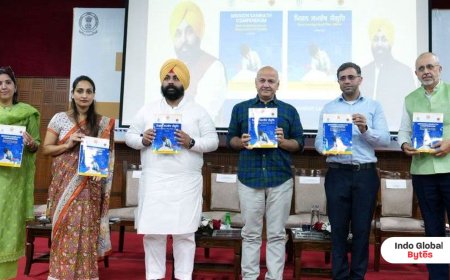
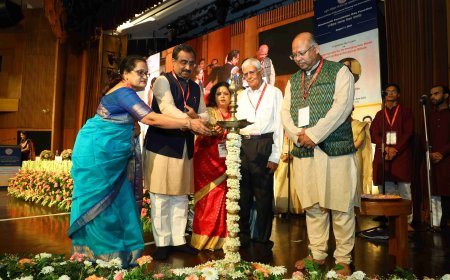
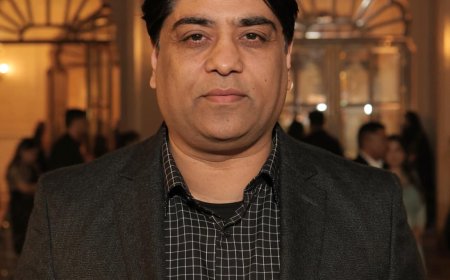
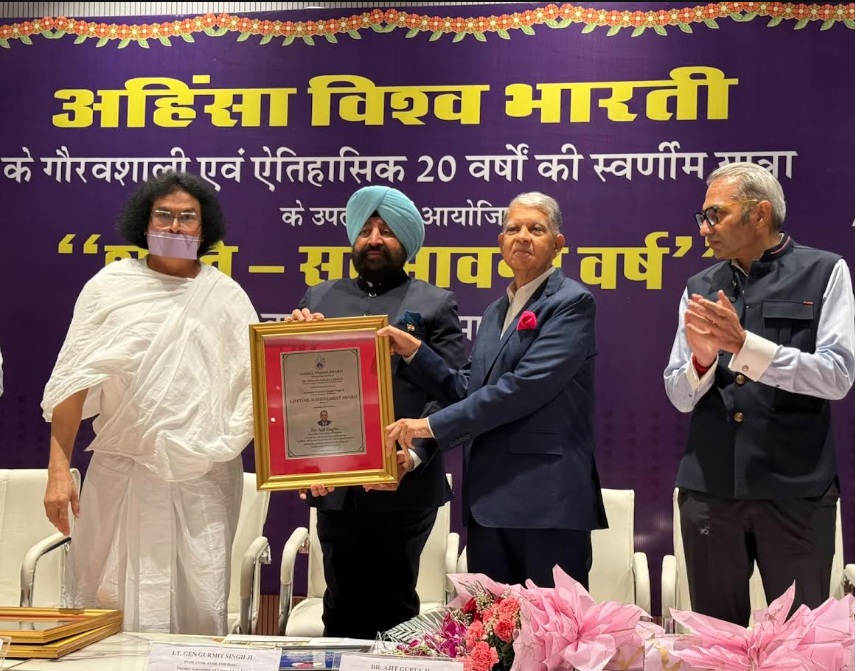
Governor Lt Gen Gurmit Singh (Retd.), Ketan Mehta, Ashok Kumar, Aloke Lal, Amod Kanth, Neeraj Kumar, Anil Raturi, Tridha Choudhury, Zeishan Quadri, Anuritta Jha and leading voices from policing, cinema, media and literature lead India’s only crime-focused literary festival Dehradun (Uttarakhand) [India], December 16: The third edition of the Crime Literature Festival of India (CLFI) concluded in Dehradun after three days of intense dialogue and reflection on crime, justice and society, bringing together an eminent and diverse group of voices including Governor of Uttarakhand Lt Gen Gurmit Singh (Retd.), acclaimed filmmaker Ketan Mehta, Festival Chairman and former DGP Uttarakhand Ashok Kumar, Festival Director and former DG Uttarakhand Aloke Lal, former Commissioners of Delhi Police Amod Kanth and Neeraj Kumar, former DGP Uttarakhand Anil Raturi, former DGP UP Prashant Kumar, Justice R.K. Gauba, former ACP Madhukar Zende, actresses Tridha Choudhury and Anuritta K. Jha, filmmaker and writer Zeishan Quadri, DSP (Retd.) KK Gautam, along with leading authors, journalists, editors, educationists, cyber experts and law-enforcement professionals from across the country. Organised by the Doon Cultural and Literary Society (DCLS) at Hyatt Centric, Dehradun, the festival positioned the city once again as a national hub for conversations that look beyond sensational headlines to examine the deeper social, psychological and institutional dimensions of crime. The festival was inaugurated by Governor Lt Gen Gurmit Singh (Retd.), who described crime as a reflection of inner human conflict and said that platforms like CLFI help society engage meaningfully with questions of justice, accountability and truth. Welcoming the audience, Ashok Kumar said CLFI remains India’s only festival dedicated entirely to crime as a genre, engaging with issues such as land frauds, drug abuse, cybercrime, road safety, women’s safety and social responsibility, while Aloke Lal called it a path-breaking platform that examines both real and fictional crime to understand why negative impulses turn into action. The opening day featured filmmaker Ketan Mehta in conversation with Aloke Lal, where Mehta reflected on crime as one of cinema’s most compelling themes and spoke about human conflict as the core of storytelling, followed by frontline policing perspectives in sessions featuring Prashant Kumar, Ashok Kumar and Anirudhya Mitra. Over the course of the festival, crime reporting, literature, policing, justice systems, cinema, technology, national security and social impact were examined through multiple lenses. Writers Kulpreet Yadav and Shailendra Jha spoke about non-fiction crime writing and storytelling ethics, while senior police officers, including IG Neelesh Bharne, SP Lokjeet Singh and Additional SP Jaya Baloni highlighted the realities of road lawlessness and enforcement challenges. The legacy of Hindi pulp literature was revisited by Yashwant Vyas, Subodh Bhartiya and publisher Randhir K. Arora, who also announced the launch of India’s largest crime writing honour, the Swarn Kataar Award, from next year. Former ACP Madhukar Zende revisited the Charles Sobhraj case, calling him one of India’s sharpest criminals, while sessions on women and crime brought forward discussions on trauma, systemic failures and access to justice, featuring Shashwat Bajpai, Commandant Shweta Choubey, Ruby Gupta and SP Shivani Mehla. Justice and incarceration were explored by Justice R.K. Gauba, Dr Aishwarya Mahajan and ADG Abhinav Kumar, who highlighted the realities of undertrials and systemic bias, while national security took centre stage with Ashok Kumar, Lt Gen A.K. Singh (Retd.) and Col Sunil Kotnala (Retd.), who spoke about terrorism, intelligence coordination and the growing role of technology in warfare. Cross-border justice was discussed during the launch of Mission Saudi, with Aloke Lal and Maanas Lal sharing the emotional and investigative challenges behind India’s first-ever extradition of a rape accused. The concluding day examined the changing media landscape, artificial intelligence, juvenile justice, cinema and faith. Journalists Ashwini Bhatnagar, Shams Tahir Khan and Anupam Trivedi discussed sensationalism, media trials and declining credibility in crime reporting, while cyber experts Ankush Mishra, Mitali Chandola and Dr Gagandeep Kaur warned about deepfakes, digital arrests and the psychological manipulation behind cybercrime. In a deeply reflective discussion on juvenile justice, IPS Amod Kanth and former DGP Anil Raturi stressed rehabilitation over punishment, noting that juvenile crime accounts for less than one percent of total cases even as India has over three crore children in need of care, far exceeding institutional capacity, with Kanth highlighting the work of Prayas JAC Society and the urgent need for better aftercare and foster systems. Cinema-driven conversations included filmmaker Zeishan Quadri, who spoke about realism, dark