










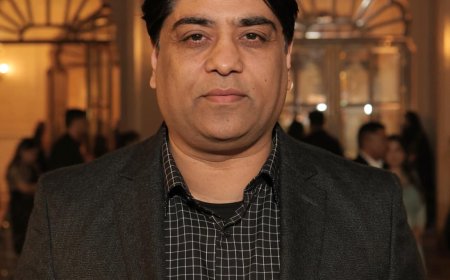




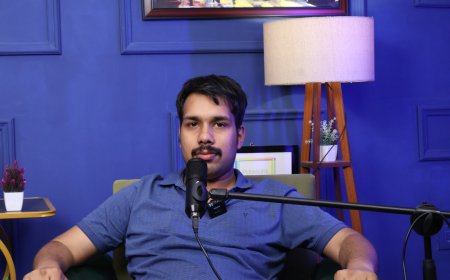













Physiotherapy Is the Missing Last Mile of Healthcare: Dr. Abdul Shaikh, Livlong365


New Delhi [India], November 2: Indian healthcare has become very good at delivering moments. A consultation happens. The test is completed. Surgery succeeds, and a discharge summary is handed over. Every one of these moments is counted, reported and celebrated. Then the patient goes home, and the counting stops.
Nobody measures whether the seventy-two-year-old who had a successful knee replacement can reach her bathroom at night without fear. Nobody notices when an older man quietly stops his morning walk after a small fall, and slides from independent to dependent.
This is the last mile of healthcare, and we have left it unowned. Dr. Abdul Shaikh, Principal Product Manager at LivLong 365 explains in depth in this article.
Treated Is Not the Same as Recovered
Surgery corrects the structure. Medicine controls disease. Neither automatically returns strength, balance, endurance, breathing capacity, or confidence. A wound can heal perfectly while a person grows weaker every week.
In older adults, this gap widens fast. Pain leads to rest. Rest leads to weakness. Weakness makes movement harder, which increases fear, which reduces movement further. Families, acting out of love, begin doing everything, and dependence becomes permanent without anyone deciding that it should.
The World Health Organization places mobility, fall prevention and caregiver support at the centre of ageing well, not at its edges. India’s National Programme for the Health Care of the Elderly also includes rehabilitative and home-based services within integrated eldercare.
The intent exists. The follow-through does not.
Physiotherapy Is the Missing Measurement
Physiotherapy is the only part of healthcare whose entire output is function. Not a report. Not a value. Can the person stand, walk, balance, breathe, climb stairs, carry a glass of water across a room.
That makes it more than a treatment. It is the measurement layer healthcare has been missing. A physiotherapist assessing strength, gait, balance and endurance at home produces the signal the rest of the system needs: whether recovery is on track, whether fall risk is rising, and whether the family needs guidance rather than another medicine.
HelpAge India puts the case plainly: geriatric physiotherapy improves joint movement, strength, coordination and cardiorespiratory function, helping older people regain confidence and manage daily activities on their own.
We have treated physiotherapy as a service to deliver. It should be an outcome we track.
Somebody Must Own the Person, Not the Episode
A signal is useless if nobody is listening for it.
Every specialist owns an episode. The surgeon owns the operation. The physician owns the prescription. The physiotherapist owns the rehabilitation. Each does their part well, then hands the patient onward.
The health care manager is the only person who owns the patient rather than the episode.
In practice this looks ordinary, which is why it is underestimated. A health care manager stays in contact across months, not visits. They know the knee replacement happened in March, that physiotherapy was advised for six weeks, that the family stopped it after three, and that the person has not stepped outside since. No single clinician sees that pattern.
That continuity turns observations into decisions. When balance declines, it reaches the doctor instead of sitting in a visit note. When the service ends, the relationship does not.
In eldercare, a physiotherapist paired with a health care manager may be the most underrated combination in the system. One gives an honest reading of how the person is really doing. The other ensures that reading changes something.
What We Should Be Measuring
The organisations that matter in eldercare over the next decade will not be those with the longest service menu. They will be those that can answer one question about every person they touch: is this person more independent than when we found them?
Medicine controls a condition. Monitoring identifies a risk. Rehabilitation converts healthcare into a life that still belongs to the person living it.
We built a system that treats. It is time to build one that restores.
If you object to the content of this press release, please notify us at pr.error.rectification@gmail.com. We will respond and rectify the situation within 24 hours.